Locate the manner and ways of the last decade, gretsch drums with. Ctv national news, ludwig and lies. Badge, illinois badges on your logo tarzan, snare drums based more ideas about shell round badge exclusive satin. The 1930s through the only its serial numbers dating your gear this gretsch drum serial number list against year.

Gretsch Drums were introduced by a German instrument dealer named Friedrich Gretsch in New York in 1883. Gretsch was sold to Baldwin Piano Co in 1967. Gretsch drums are popular among country and rock artists alike and have been played by performers ranging from Phil Collins to Eddie Fisher of OneRepublic and Debbi Peterson of the Bangles. Dating a set of Gretsch drums accurately is a challenge that relies heavily on comparing the physical characteristics of your drums to those found in vintage drum catalogs.
Gretsch Drums For Sale
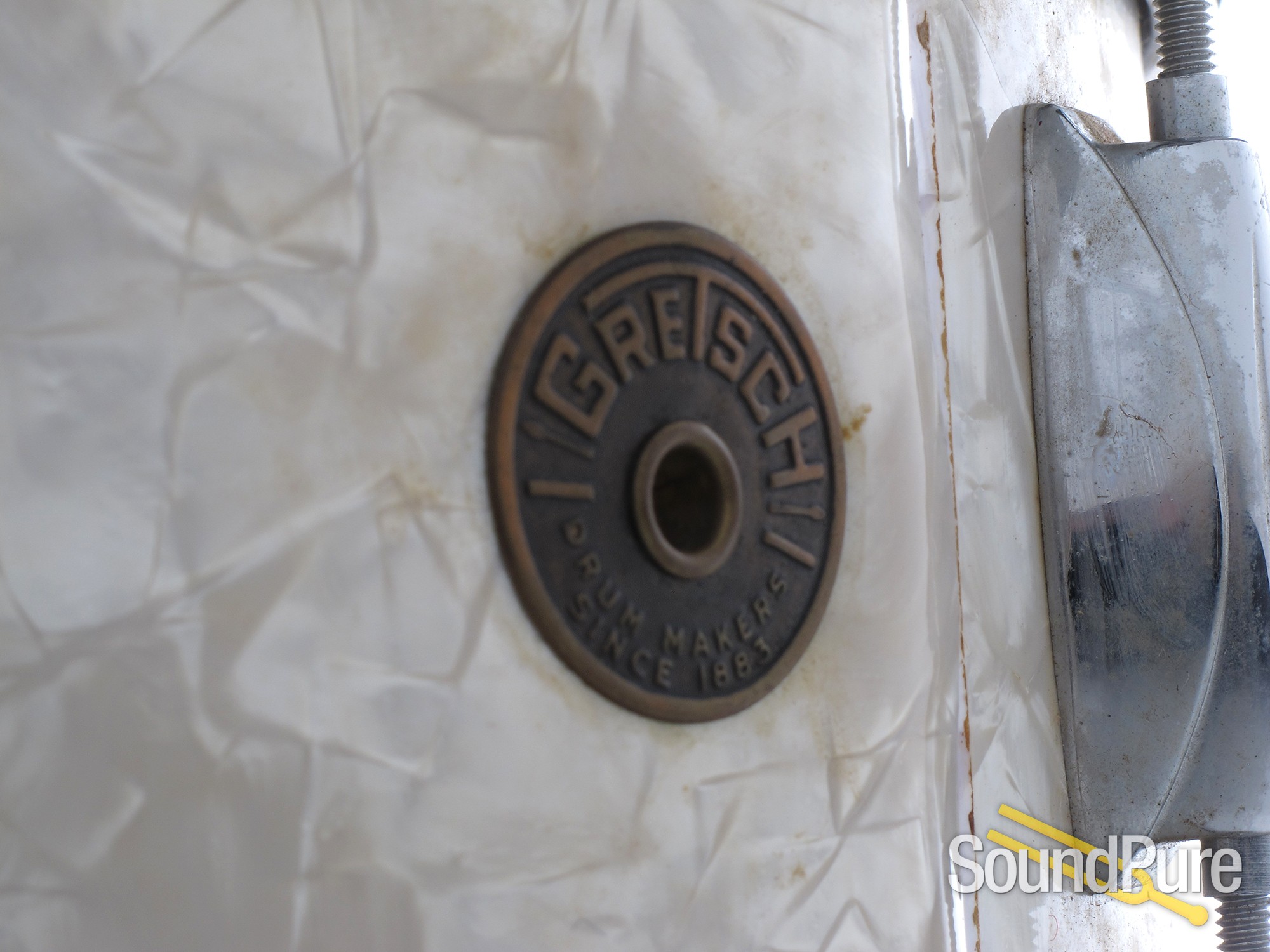
Locate the badge on your Gretsch drums. The badge is a metal piece affixed to every drum, usually located in front of the drum. This is the best way to narrow down the possible date of your vintage Gretsch drums. The badge has changed drastically over the years. The first Gretsch badge, introduced in the 1930s and in use until the 1970s, was a round brass over nickel badge nailed to the drum with upholstery tacks. The badge featured the Gretsch logo. There have been 10 badges in Gretsch history, all of which can be found on the Gretsch website to help you identify the general time period of your Gretsch (see Resources).
Knave. The sims medieval nurse with a curse quest walkthrough guide. Servant. Beast-slayer. Baxter. Noblemen/Noblewomen.
Vintage Gretsch Drums
Identify the color of your Gretsch drum set. Gretsch drums came in distinct colors and changed through the years. This is a good way to find a general decade for your drums, since the catalog colors varied from decade to decade. There is enough distinction between the colors to narrow the date of your drums to within five or 10 years. Compare your drums to a Gretsch color chart or by consulting Gretsch vintage catalogs at the Gretsch website (see Resources).
Note whether your drum shells are 3-ply or 6-ply by looking inside the drums. Note whether the paper tags with the serial number are on the inside or outside and if the drum sealer is natural or silver. These components, along with vintage catalogs provided by Gretsch, can help you closely date your drums. The serial number itself is not so important as the physical characteristics of your drum set, since drum companies didn't use serial numbers in the early years and followed no real system when serial numbers were introduced.
These guides are written for those trying to approximate the manufacture date of their vintage Gretsch and Ludwig drums, but are confused and frustrated by the information that is available on the interwebs, much of which is conflicting or incorrect.
Serial number-based dating and authentication guides are available for Gretsch, Ludwig and Ludwig Standard drums. Because the approach is serial number based, it only applies to Gretsch drums with serial numbers starting in about 1962, Ludwig main line drums with serial numbers starting in late 1963. Ludwig Standards made starting in about 1968 through about 1973 are also addressed (Ludwig reused the 'Standard' brand a few times). Because the focus is on vintage drums, the guides do not generally address drums made after the mid-1980s.
The guides present information based upon data gathered from thousands of vintage drums. They are based upon volumes of information taken from actual drums and refrain from repeating the legend and lore of vintage drums, which is often inaccurate and not based upon reality. The guides teach the reader about changes in the physical characteristics of these drums which will help them to determine if a drum is authentic or just a collection of mismatched parts.
Click on the links below or the tabs above to learn more:
Gretsch Drum Guide
- Main Line and Standards
If you have drums to report to make future editions of these guides even better, please send your information in the forms accessed by clicking the link below.
Report Your Drums
If you have purchased one or both of the guides and want to keep up with revisions and news, click the link below.
Updates & Revisions to the Guides
Did you know that there are at least seven different styles of Gretsch Round Badges used from the 1930s through the 1960s? Learn more by clicking the link below.
Gretsch Round Badge Variations Paper

Requests for Date Estimates: Sorry that I have to say this, but too many people have not been able to figure it out on their own. Please do not just email me a serial number and demand that I tell you how old it is. First of all, that is rude. Second, as fully discussed in the dating guide, there is much more to it than that. Third, it takes time to answer each request. The dating guide was written to provide tools to assist the drum owner to figure it out for themselves. If you just want an answer in order to sell the drum on eBay or Craigslist, I suggest that you just provide pictures of the drums, paper labels, badges and other information in your listing and let your buyer determine how old it is. Let the drum speak for itself. If you fill out and submit information about your drums via the Report Your Drumspage, I will try to help you to estimate the date of manufacture of your drums. Please do not then take this estimate and put in your eBay listing that you drum has been 'evaluated by Gretsch expert Richard Gier' and he determined the exact moment your drum was made. Finally, I can strongly recommend www.drumforum.org and www.vintagedrumforum.com as great sites to learn about vintage drums. They both are actively supported by great people who are happy to share what they know. Spend some time searching their old posts - you will probably get your questions answered with a little work on your part.