Step 1, Plug your flash drive into your computer. The flash drive should fit into one of the rectangular ports on your PC's housing. If you're encountering errors on your flash drive or it won't display its contents, you may need to update its drivers or software using your computer's repair feature.Step 2, Open Start. Click the Windows logo in the bottom-left corner of the screen.Step 3, Click File Explorer. This option is in the lower-left corner of the Start window. The SanDisk Ultra Dual USB Drive can be accessed via 2 methods. Method 1: File Explorer. SanDisk Ultra Dual USB Drive can be accessed through your mobile device's file explorer. The file explorer can be found in the apps folder of your android device. If your device does not have a file explorer we recommend Method 2. Jul 21, 2017 How to scan USB flash drive (stick) with Avast antivirus. Detailed steps & screenshots, for Free Antivirus, Pro Antivirus, Internet Security, and Premier.
Although Windows Defender Antivirus runs automatically on your Windows 10 device, there are still times when you'll need to perform a full scan to make sure that malware or malicious software is not impacting your device.
However, if you thought a 'full scan' meant that the antivirus would check every storage device connected to your computer, think again. As it turns out, by default, Windows Defender Antivirus does not scan external drives during a full scan — only during quick and custom scans.
If you want to make sure that every storage device attached to your computer gets scanned for unwanted software and malware, it's possible but it's something that you need to configure manually.
In this Windows 10 guide, we walk you through the steps to allow Windows Defender Antivirus to include removable drives as you perform a full malware scan on your device.
How to include removable drives during full scan using Group Policy
If you're running Windows 10 Pro, you can quickly configure Windows Defender Antivirus to include removable drives during a full scan using the Group Policy Editor. Just follow these steps:
- Use the Windows key + R keyboard shortcut to open the Run command.
- Type gpedit.msc and click OK to open the Local Group Policy Editor.
Browse the following path:
Computer Configuration > Administrative Templates > Windows Components > Windows Defender > ScanOn the right side, double-click the Scan removable drives policy.
- Select the Enabled option.
- Click Apply.
Click OK.
Once you complete these steps, the Windows 10 antivirus will include not only external drives during quick and custom scans but also during full virus scans.
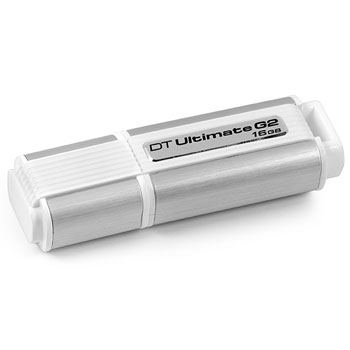
This may be obvious, but remember that using this option will take longer to complete the scan due to the fact that more data will have to be covered.
If you no longer need to use this feature, you can follow the same instructions, but on step No. 5, make sure to select the Not Configured option.
How to include removable drives during full scan using Registry
If you're running Windows 10 Home, you won't have access to use Group Policy, but you can change the same settings using the Registry.
Warning: This is a friendly reminder that editing the Registry is risky, and it can cause irreversible damage to your installation if you don't do it correctly. We recommend making a full backup of your PC before proceeding. If you're ready, follow these steps:
- Use the Windows key + R keyboard shortcut to open the Run command.
- Search for regedit, and click OK to open the Registry.
Browse the following path:
HKEY_LOCAL_MACHINESOFTWAREPoliciesMicrosoftWindows DefenderQuick Tip: On the Windows 10 Creators Update and later, you can copy and paste the path into the new Registry's address bar to quickly jump to the key destination.
Right-click on the Windows Defender (folder) key, select New, and click on Key.
- Name the key Scan and press Enter.
Right-click on the right side, select New, and click on DWORD (32-bit) Value.
- Name the key DisableRemovableDriveScanning and press Enter.
Double-click the newly created DWORD and make sure its value is 0.
After completing these steps, Windows Defender Antivirus will also scan removable drives you have connected to your computer.
If you want to revert the changes, simply follow the same instructions, but on step No. 5, right-click the Scan (folder) key and click Delete to remove the entries.
More Windows 10 resources
Usb Virus Remover
For more helpful articles, coverage, and answers to common questions about Windows 10, visit the following resources:
When you’re tired of fiddling with your scanner’s built-in software, turn to the simple scanning app bundled with Windows 10. Dubbed simply Scan, the new app doesn’t work with older scanners, unfortunately. But if your scanner is relatively new, the Scan app is a refreshing change from complicated scanner menus.
Online Antivirus Scan For Android Mobile
Setting up a new scanner for the first time? Be sure to unlock it by sliding a lever or turning a dial on the scanner to the unlock position. That lock protects the scanner during shipping, but you must turn it off before use.
Follow these steps to scan something into your computer:
From the Start menu, open the Scan app.
If you don’tspot the Scan app on the Start menu, click the words All Apps in the Start menu’s bottom-left corner. The Start menu lists all of its apps alphabetically.
Click the Scan app, and the Scan app appears on the screen. If it complains that your scanner isn’t connected, make sure you’ve connected the USB cord between your computer and the scanner and that the scanner is turned on.
If your scanner’s plugged in and turned on, the scan app lists your scanner’s name, shown here, and the file type used for saving your files. (The PNG file type is widely accepted by most programs.)
Click the Show More link for additional options and click Preview to test a scan.If the app doesn’t recognize your scanner, your scanner is too old. You’re stuck with your scanner’s bundled software — if it works — or, unfortunately, buying a new scanner.
(Optional) To change the settings, click the Show More link.
The app’s default settings work fine for most jobs. The Show More link offers these options for specific types of scans:
Color mode: Choose Color for color items, such as photos and glossy magazine pages. Choose Grayscale for nearly everything else and choose Black and White only for line drawings or black-and-white clip art.
Resolution (DPI): For most work, the default 300 works fine. Higher resolution scans (larger numbers) bring more detail but consume more space, making them difficult to e-mail. Lower resolution scans show less detail but create smaller file sizes. You may need to experiment to find the settings that meet your needs.
Save File To: The Scan app creates a Scan folder in your PC’s Pictures folder, where it stores your newly scanned images. If desired, you can change the Scan folder’s name or even create a different folder for each scanning session.
Click the Preview button to make sure your scan appears correct.
Click the Preview icon, and the Scan app makes a first pass, letting you preview a scan made with your chosen settings.
If the preview doesn’t look right, make sure you’ve made the right choice for your job in Color Mode, described in the preceding step. If the preview shows a blank white page, make sure you’ve unlocked the scanner as described in the scanner’s bundled instruction sheets.
If you’re scanning a smaller item that doesn’t fill the entire scanner bed, look for the circle markers in each corner of the preview scan. Drag each circle inward to surround the area you want to copy.
Click the Scan button. When the scan finishes, click the View button to see your scan.
The Scan app scans your image with the settings you’ve chosen in the previous steps and then saves your image in your Pictures folder’s Scan folder.
The Scan app works well for fast, easy scans. But because it relies on the simple, built-in Windows software, your scanner’s built-in control buttons won’t work.
If you want the buttons to work or you need finer control over your scans, skip the Scan app, head for the desktop, and install your scanner’s bundled software. (On some scanner models, Windows Update installs the scanner’s bundled software automatically as soon as you plug in the scanner.)
Finally, for quick and dirty scans, just take a picture of the document with the camera built into your phone or tablet. That won’t work well for photos, but it’s a great way to keep track of receipts and invoices.